

Amy’s perspective · buying near new development
Buy the neighborhood.
Not the
opening date.
New shops and roads can change daily life. Your home still needs to work before they arrive.
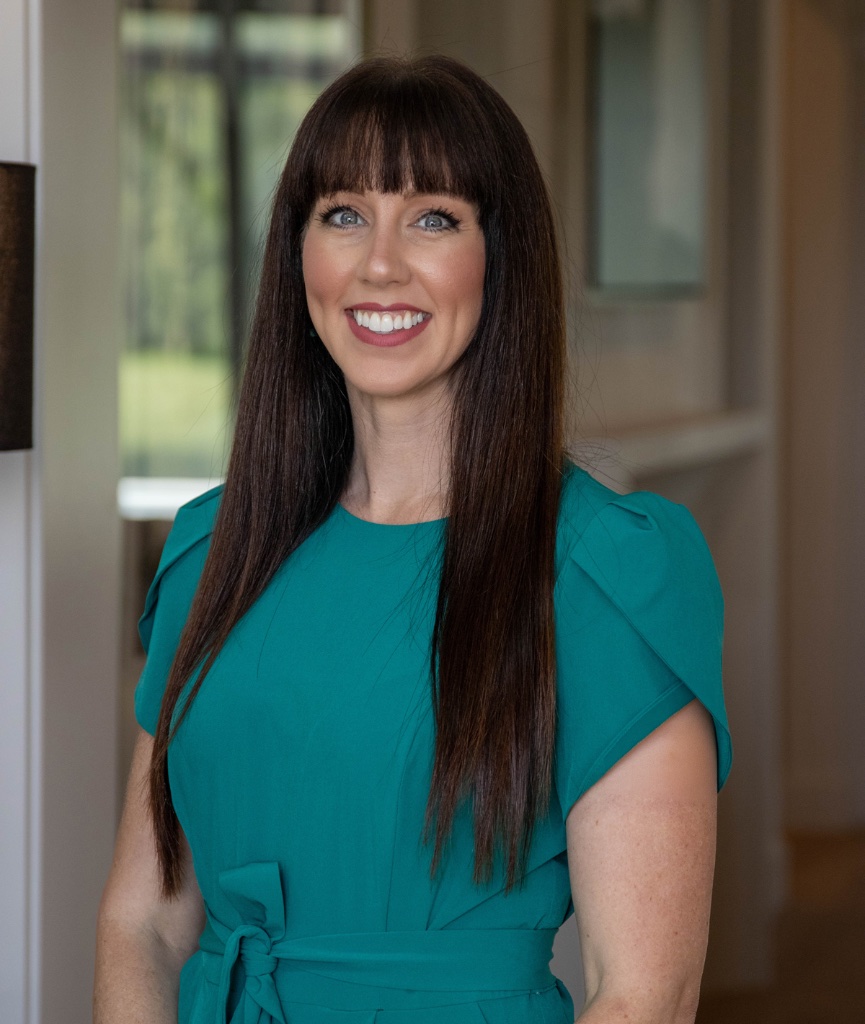
Amy Howell
O.N.E. Florida Group · Real Brokerage
Published November 14, 2026 · Sources checked November 14
The question I would ask before making an offer
Would you want this home if the date moved?
When a buyer tells me about a store, road or amenity that is coming soon, I want to know what life looks like before it arrives.
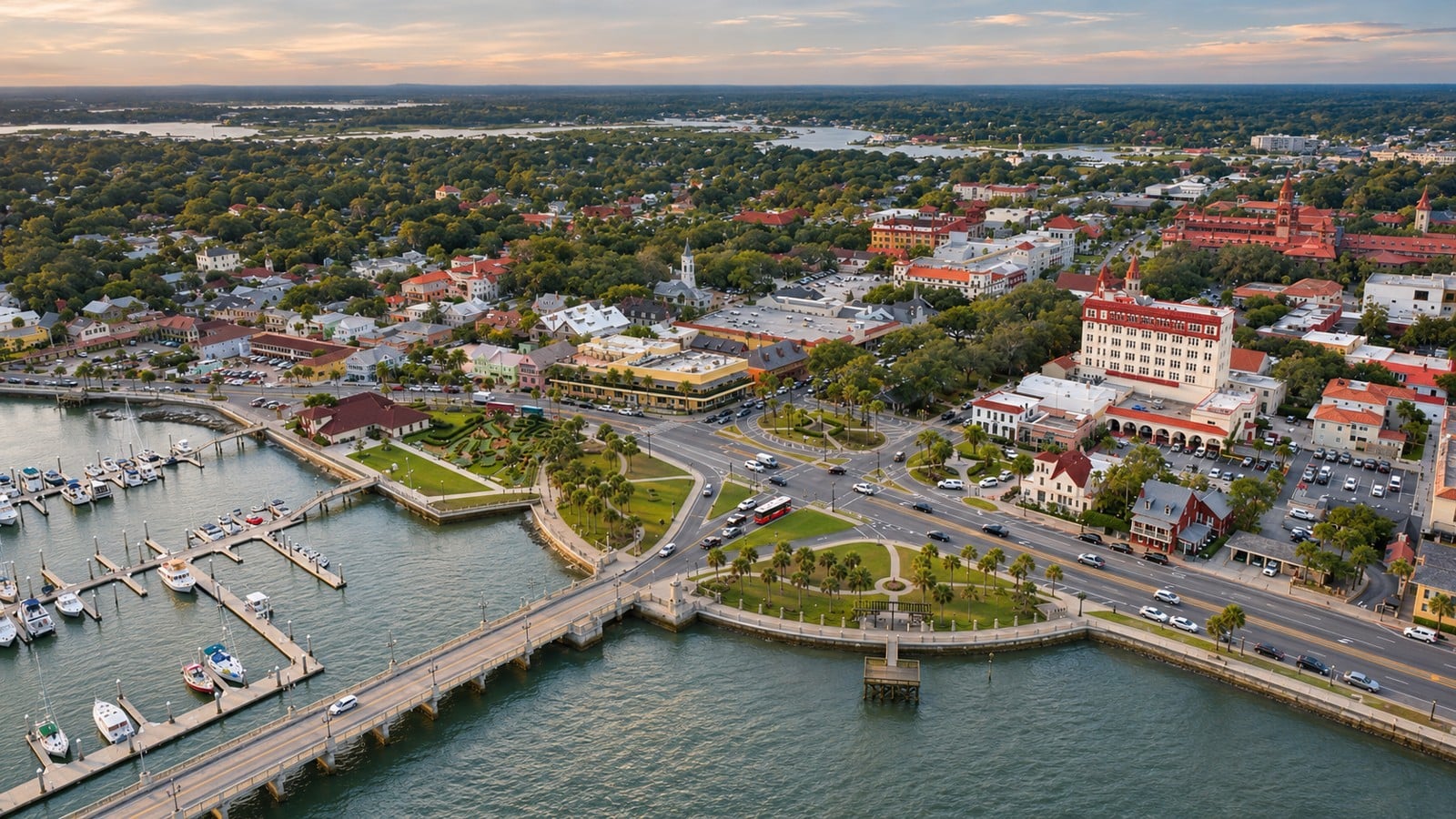
That is the thread running through my October 30 development video. There is a lot happening around St. Augustine and St. Johns County. Some changes already serve people. Others are active construction sites. Still others exist as plans and announcements.
Those differences matter when your own moving date is real. A home you can live comfortably in today gives you a different starting point from a home whose appeal depends on a future opening.
The 2027 and beyond project guide has the dated facts, original video, map and planning tools. Here is how I would use that information while shopping.
Give the new convenience a real job.
A favorite grocery store nearby can be a meaningful improvement. So can another restaurant you would actually visit or a service that reduces an errand across the county.
But I would name the errand before I name the benefit. How often would you go? From which driveway? Can you reach it comfortably using the roads that exist now? The answer can vary from one section of a large community to another.
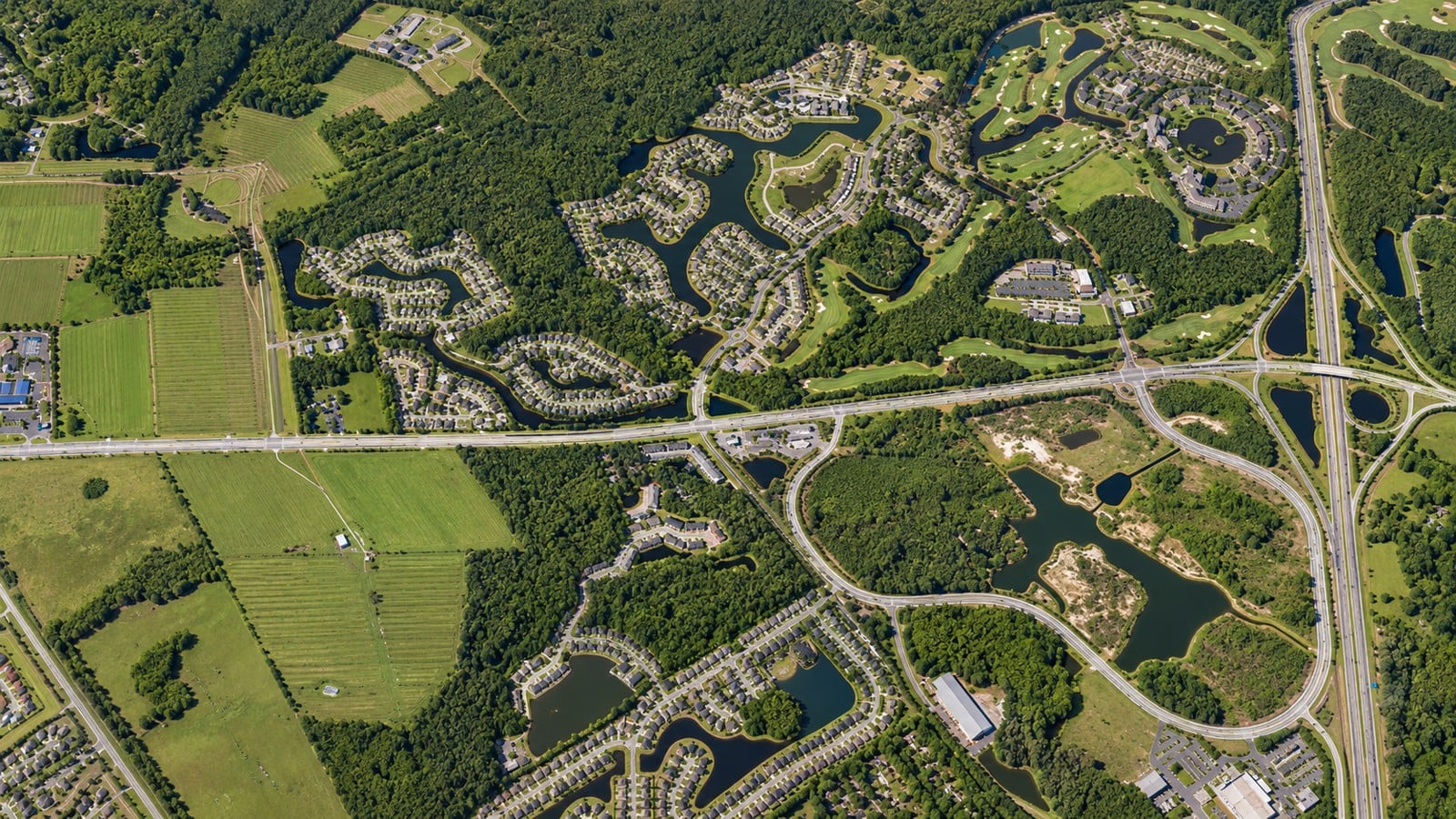
In my video, I specifically push back on the idea that a Trader Joe’s announcement automatically adds a fixed amount to a home’s value. A tenant appearing in a development plan does not give us either an opening date or a property-value guarantee. The Legends Landing reporting is useful context; the next step is still to compare actual homes.
Put your moving calendar beside the project calendar.
A buyer moving next spring and a buyer thinking several years ahead may read the same announcement differently.
The clearest example here is the First Coast Expressway. For the segment from east of CR 2209 to I-95, FDOT lists late 2030 / early 2031. That is useful regional context. It cannot make a 2027 commute shorter today.
I would drive the current route at the time I expect to use it and check the return trip. Then I would ask whether I can accept that routine if construction takes longer. This does not mean ignoring the future; it means giving the present enough weight in a decision that starts now.
A finished building and a familiar name answer different questions.
Baptist’s September opening announcement confirms the SilverLeaf ER is operating. AdventHealth’s World Commerce Center announcement describes a separate planned facility with a projected 2027 opening.
Both belong in the local growth conversation. They should not be presented as if both are available in the same way today. If nearby services matter to your move, check the actual location and service you use rather than relying only on a brand name in a headline.
The same habit helps with housing. A builder can have homes for sale while other parts of the community are unfinished. Ask which features belong to your exact home, which facilities are operating and what your contract says about timing.
One useful sentence
“If this project is delayed, I will…”
Finish it with a route, a store, a service or an amenity you can use today. If you cannot finish the sentence comfortably, you have found the next thing to investigate before choosing the home.
Tour the ordinary parts, too.
I would leave time after the model home for the surrounding streets. Where does work traffic go? What is the existing grocery trip? Which turn feels awkward at the time you would use it? What is already convenient without waiting for the next phase?
Then I would compare the written ownership costs. A new community’s headline feature does not replace the dues, taxes, insurance, assessments or maintenance questions for an actual property.
My family’s daily life in the World Golf Village area gives me a close view of how quickly the conversation can change. It also reminds me why I keep coming back to the same practical test: choose a place you can enjoy living in, with tradeoffs you understand.
If a new project later makes that routine easier, wonderful. Your original decision still deserves a solid foundation of its own.
The original video · 19:29
A local look at what is changing.
Watch my October 30 video, Everything NEW & Coming SOON to St. Augustine in 2027! The guide below adds dated source checks. Some projects discussed in the video extend well beyond 2027.
Recorded prices, projected openings and event dates are source-video context. Use current written information for a decision.
Bring me the home and the question.
Save two listings, tell me which future project matters to you and describe the route or alternative you want to test. We can make the next conversation specific.
Bring the shortlist with you
Save the homes.
Keep the context.
Search each community in the O.N.E. Florida Group app, save a few actual listings and send your questions to the team through app chat. Compare the street, the routine and the ownership costs together.
Need a wider shortlist? Take our Neighborhood Match Quiz →
App powered by HomeStack. Listings and coverage vary; saved searches and showing requests are handled through the app’s own account flow.
A more useful next conversation
“Amy, help me compare these.”
Send two listings and the tradeoff you are trying to solve. We can help check the fees, plan a useful visit and look beyond the model-home tour.
Amy Howell
O.N.E. Florida Group · Real Brokerage
Published November 14, 2026 · Sources checked November 14